


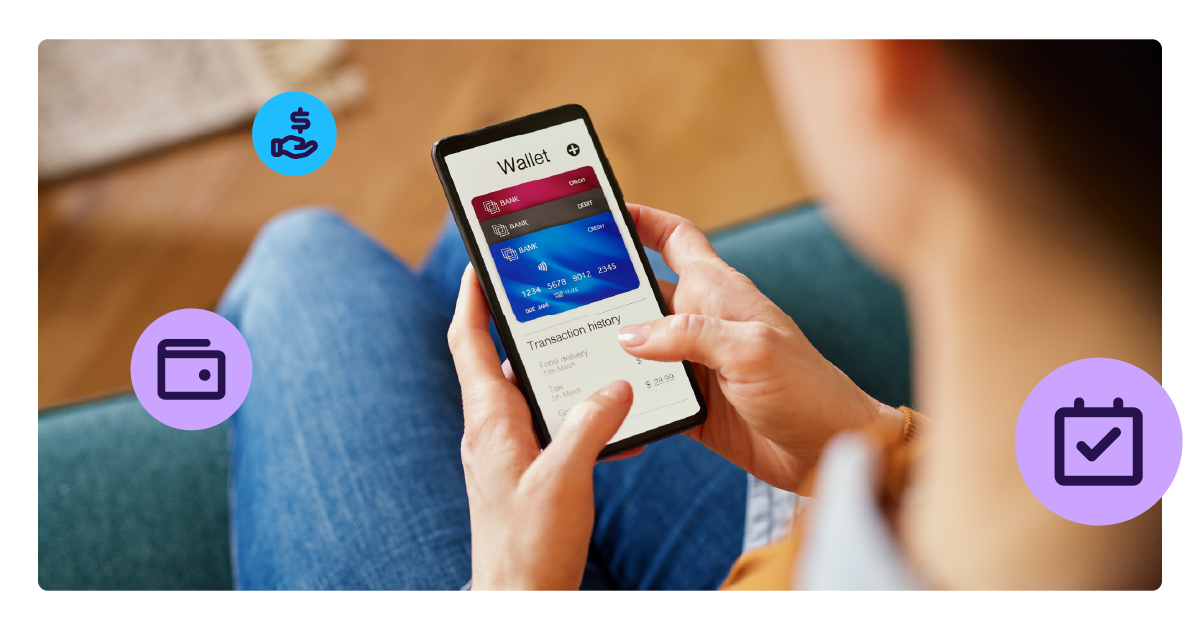
Recurring payments are woven into our everyday life. Streaming platforms renew in the background. Fitness apps bill each month. Cloud software keeps teams running. Utility providers, meal kits, accounting platforms, parking apps, even gaming subscriptions all rely on recurring billing that works without interruption. When everything runs smoothly, nobody thinks about the payment at all. And that’s exactly the point.
For businesses built on subscriptions, payment performance is not just a back-office function. It shapes retention, revenue predictability and customer trust. A single failed payment can mean a lost subscriber. A clunky reauthorization flow can turn into churn.
The subscription economy is forecast to grow by 67% between 2025 and 2030, and digital wallet adoption continues to accelerate. For merchants running recurring models, offering Apple Pay and Google Pay is quickly becoming table stakes.
Supporting wallet subscriptions, however, isn’t as simple as switching them on. Payments need to stay secure and uninterrupted over time, even when cards are replaced or devices change.
That’s where network tokenization and merchant-specific credentials such as Merchant Payment Account Numbers (MPANs) come in. In this article, we break down how recurring Apple Pay and Google Pay subscriptions now work, and why that evolution matters for your payments strategy.
Digital Wallets Shift to Enabling Subscriptions
Historically, Apple Pay and Google Pay worked best for one-time purchases. Supporting recurring payments through digital wallets was inconsistent and many platforms simply didn’t allow it.
That created challenges for subscription businesses. If a customer wanted to pay with a wallet, merchants often had to rely on alternative payment methods to keep subscriptions running smoothly. In some cases, additional integration work was needed just to maintain payment continuity.
The result was friction in an experience that is supposed to feel effortless.
The Challenge of Device-Based Wallet Credentials
Part of the issue came down to how digital wallets were originally designed.
Early wallet payments relied on credentials tied directly to a customer’s device. This approach worked extremely well for secure, one-time payments, especially when combined with biometric authentication like Face ID or fingerprint recognition.
But devices change. Customers upgrade phones, replace lost devices or reset their wallets. When that happened, the payment credential tied to the original device could no longer be used.
For subscription businesses, that meant asking the customer to authorize the payment again. Even small interruptions like this can introduce friction, and in subscription models, friction often leads to churn.
Merchant-Bound Tokens Change the Model
Recent advances in network tokenization have helped solve this challenge.
Instead of linking a payment credential to a specific device, newer wallet credentials can now be tied to the relationship between the customer and the merchant. Apple refers to these credentials as MPANs, whereas for Google Pay, it’s known as merchant-linked wallet credentials.
Because credentials are not tied to a single device, recurring payments can continue even if a customer replaces their phone or receives a new card. The subscription stays active without requiring the customer to go through another authorization step.
Apple Pay began rolling out MPANs in 2024, and support for merchant-linked wallet credentials continues to expand across the payments ecosystem. As these capabilities grow, NMI now enables recurring Apple Pay and Google Pay payments across a growing list of processors.
Why This Matters to You, Your Merchants and Their Customers
From subscription services to donation platforms to service providers billing with scheduled invoices, use cases are everywhere for recurring payments in software. With that in mind, there are three main reasons why recurring payments through Apple Pay and Google Pay matter.
Here are three reasons why support for recurring Apple Pay and Google Pay payments matters.
1. Digital Wallets Are Already How Many Customers Prefer to Pay
Wallet adoption is no longer niche. Our research shows that consumers, particularly younger demographics, want more opportunities to use digital wallets. According to Visa, roughly 20% of all consumers and 36% of Gen Z shoppers cite digital wallets as their top preference for payments. If wallets are becoming a preferred payment method at checkout, they need to work for subscriptions too.
2. MPANs Help Keep Recurring Payments Running Smoothly
The real shift is that MPANs allow wallet payments to work more reliably for subscriptions.
MPANs are linked to the relationship between the customer and the merchant, so recurring payments are less likely to be interrupted even when a customer replaces their phone or updates their wallet. Subscriptions can continue without requiring customers to reauthorize their payment details.
For subscription businesses, that reliability matters. Fewer interruptions mean fewer failed payments, a smoother customer experience and less avoidable churn.
3. Support for Apple Pay and Google Pay Subscriptions Helps You Stand Out
When wallet payments only work for one-time transactions, subscription businesses are forced back to traditional card-on-file credentials. That reintroduces the very problems MPANs or merchant-linked wallet credentials were designed to solve: reauthorization friction, avoidable churn and lower approval rates.
Supporting recurring Apple Pay and Google Pay payments isn’t just about adding another checkout option. It’s about protecting long-term subscription revenue and improving payment performance across the full customer lifecycle.
For SaaS platforms, that means stronger retention for your merchants and a payments offering that’s built for how modern subscription businesses actually operate today.
Integrate Recurring Digital Wallet Payments with Ease
NMI’s support for recurring payments through Apple Pay and Google Pay uses the exact same APIs and tokenization flows you’re already used to, requiring very little extra work to begin accepting digital wallet subscriptions in addition to your other payment methods.
To find out more about how NMI can help you start offering your users the recurring payment solutions their end customers demand, reach out to a member of our team today.