




- What Is a System of Record and Why It Is No Longer Enough
- What a System of Revenue Flow Actually Means
- What Is Driving the Shift to a System of Revenue Flow
- Why Embedded Payments Are the New Imperative for Software Platforms
- The Business Benefits of Becoming a System of Revenue Flow
- The Risks of Staying a System of Record
- How Software Platforms Make the Shift to a System of Revenue Flow
- Build the Foundation for Your System of Revenue Flow
- Frequently Asked Questions About Systems of Revenue Flow
Your platform already sits at the heart of how your merchants run their businesses. It sees every transaction your merchants run. It records orders, customer activity and transaction data. But it may not participate in the payments flowing through that activity, and probably does not earn revenue from them.
That gap is the difference between a system of record and what we call a system of revenue flow. When you embed payments directly into your software, transaction volume can become more than data you just record, it can create a new source of recurring revenue for your platform. This article breaks down what is driving the shift, why it matters for software companies and SaaS providers and how to make the move.
What Is a System of Record and Why It Is No Longer Enough
A system of record is the authoritative source for a particular type of business data. CRMs, ERPs and vertical SaaS applications, for example, help businesses capture, manage and act on information about their operations.
That role remains valuable. But for software platforms looking for additional ways to grow, recording business activity is only part of the opportunity. Traditional software revenue is typically tied to subscriptions, licenses or usage. The platform may help its customers generate revenue without directly participating in the transactions itself.
Moving from a system of record to a system of revenue flow means adding capabilities that allow the platform to participate directly in commercial activity and create revenue from it.
What a System of Revenue Flow Actually Means
A ‘system of revenue flow’ is a way of describing software that does more than record commercial activity. It is an active infrastructure that generates recurring income through embedded capabilities. Instead of recording what happened, it takes part in the transaction and earns from it.
Embedded payments are the clearest example. Integrate payment processing directly into your software and you stop simply tracking commerce. Your platform can help enable it, and you participate in the economics and get paid for it.
| System of Record | System of Revenue Flow |
|---|---|
| Acts as an authoritative source of data | Participates in commercial activity and generates revenue |
| Revenue typically comes from software fees | Adds transaction-based revenue |
| Tracks transactions | Processes transactions |
| Records what happens | Helps make the transaction happen |
In practice, that shift changes how your platform creates and captures value.
What Is Driving the Shift to a System of Revenue Flow
Several market forces are pushing software platforms to look beyond traditional software revenue models.
Merchant Expectations for Seamless Embedded Payments
Your merchants expect to accept payments inside the software they already use. They do not want a separate portal, a redirect to a third-party checkout or a different system for every payment channel. PYMNTS Intelligence found 9 in 10 small businesses now consider access to embedded financial services essential to daily operations, and in 2024 just over half were open to switching providers that fail to deliver; this year, almost two-thirds are.
When payments live outside your platform, that separation can create friction and weaken the experience you provide. Embedded payments can make the software feel like a more complete part of the merchant’s business.
Juggling too many dashboards?
Fragmented merchant tools create friction that drives churn. See how a single platform fixes it. Read: One Dashboard or Five? →
The Squeeze on Traditional SaaS Subscription Growth
Seat-based pricing built the SaaS industry. But relying entirely on subscriptions can limit the ways a platform grows revenue, particularly when growth depends on continually adding users or increasing subscription prices. Growth from subscriptions alone is slowing across the market. In fact, SaaS Capital’s 2026 benchmark survey found median growth for bootstrapped SaaS companies fell from 20% to 15% in a single year. Both investors and operators are looking for monetization that does not depend on adding more users.
Payments offer a different model: transaction-based revenue that can grow as your merchants process more through the platform. Revenue that scales with your merchants’ success rather than their headcount.
The Rise of Embedded Finance and Vertical SaaS
Vertical software providers are increasingly adding financial capabilities directly into their platforms. Payments are often the starting point, with services such as business financing and money movement extending the model further. They all differentiate the product and capture more value from every merchant relationship.
If you build software for a specific industry, your merchants increasingly expect you to handle their financial operations too. The platforms that meet that expectation will win. According to 451 Research, 69% of small businesses want their software partners to offer integrated financial products, including payment processing, lending and other financial services.
Why Embedded Payments Are the New Imperative for Software Platforms
Embedded payments turn payment activity already happening around your software into a new part of your business model. It turns your software into an active revenue engine. For software companies and SaaS providers that intend to stay competitive, payments are now a strategic imperative.
Here is why the shift matters:
- Revenue diversification: Payments create a recurring income stream that runs alongside subscriptions
- Competitive differentiation: Platforms with embedded payments deliver more value than platforms without them
- Customer ownership: Keeping payments in-platform strengthens your merchant relationships and raises switching costs
Platforms that treat payments as core infrastructure and part of the product experience, rather than an afterthought or separate add-on will capture more value for both themselves and their customers.
The Business Benefits of Becoming a System of Revenue Flow
The outcomes of this shift can extend well beyond payment acceptance. Here is what platforms gain:
Recurring Revenue From Payment Processing
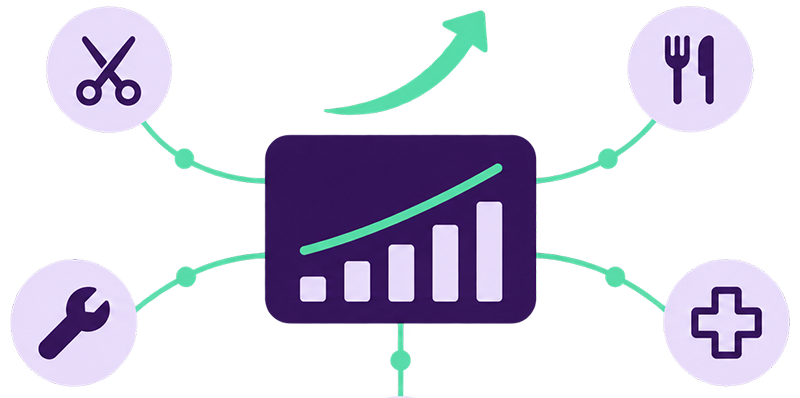
Through revenue-sharing arrangements with your payments partner, you earn ongoing income from processing volume instead of one-time fees.
The model aligns your success with your merchants’ success. As their payment volume grows, the revenue opportunity for your platform grows too.
Stronger Customer Retention and Stickier Software
Integrated payments make your platform more deeply embedded in your merchants’ day-to-day operations. When merchants depend on your platform for core operations, including accepting payments, they are far less likely to leave for a competitor.
Churn drops. Lifetime value increases. Your platform becomes essential infrastructure rather than another tool in the stack. That supports stronger retention and increased customer lifetime value.
A Unified Branded Experience for Merchants
White-label payments keep merchants within an experience that looks and feels like your platform rather than sending them into a completely separate provider environment. No third-party branding, no disjointed handoffs, no confusion about who they are working with.
Your merchants see your brand at every touchpoint, from onboarding to the merchant portal to transaction reporting and account management.
Faster Merchant Onboarding and Time to Value
Streamlined onboarding and underwriting get merchants processing quickly. Reducing manual steps and disconnected workflows can shorten the path from sign-up to accepting the first payment. The faster they are live, the faster they see value from your platform, and the faster you start earning.
Modern embedded payments platforms handle merchant account creation, underwriting and provisioning into connected workflows, reducing the amount of manual back-and-forth required. Work that used to take weeks now takes days.
The Risks of Staying a System of Record
There is also an opportunity cost to keeping payments completely separate from your software. Competitors that embed payments may be able to offer a more connected experience while creating additional revenue from the same merchant relationship.
Consider what is at stake:
- Lost revenue opportunity: Competitors monetize payments while you do not
- Weaker customer relationships: A fragmented experience can make competing all-in-one platforms more attractive. Merchants leave for platforms with better integrated experiences
- Slower growth: Relying on fewer revenue streams gives you fewer levers for growth
For platforms operating in increasingly competitive software categories, payments can become an important part of both the product and the business model.
How Software Platforms Make the Shift to a System of Revenue Flow
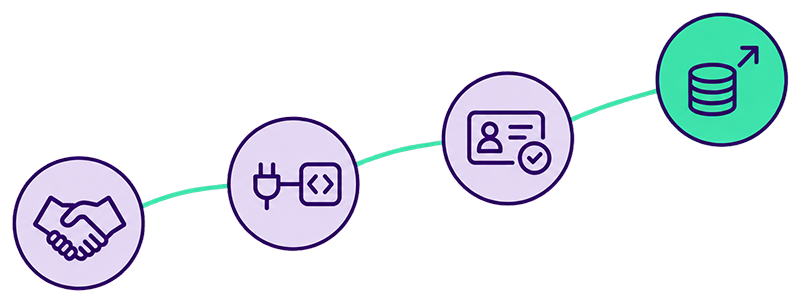
The move from system of record to system of revenue flow follows a practical path. Here is how platforms approach it.
1. Choose a Partner-First Payments Platform
Not every payments provider is built for software companies. Look for a partner that supports your business model and does not compete with you for merchant relationships.
Key capabilities to evaluate:
- Processor-agnostic architecture that preserves your flexibility
- White-label options that keep your brand front and center
- Revenue-sharing models that align incentives
- APIs, developer tools and integration options that fit your product
- Merchant onboarding and management capabilities that can scale with you
2. Embed Payments With APIs and White-Label Tools
Modern APIs, SDKs and hosted payment options can make it easier to incorporate payments into your software experience.
The goal is to make accepting and managing payments feel like a natural part of your platform, while keeping your brand prominent throughout the experience.
3. Streamline Merchant Onboarding and Underwriting
Automating merchant account creation and underwriting removes friction from the process. Merchants start processing quickly, with no manual back-and-forth.
Look for platforms with integrated onboarding tools and merchant management capabilities built into the same system.
4. Monetize Through Revenue Sharing and Value-Added Services
Revenue sharing on processing volume can be one part of the opportunity. Platforms can also extend their payments offering with additional capabilities that solve more merchant needs. Additional services like fraud protection, Business Capital and Text-to-Pay can expand the value of the platform while creating further monetization opportunities.
Every service you add deepens the relationship and opens another income stream.
Build the Foundation for Your System of Revenue Flow
Each of those four steps rests on a single decision: the payments partner you build on. Get that right and the rest follows.
NMI Payments is built for software companies that want to embed payments, earn recurring revenue and keep ownership of their merchant relationships. Our partner-first model is designed to help you build your payments business without competing with you for your merchants.
Modular architecture, processor-agnostic connectivity and white-label control give you room to build the payments experience that fits your business today and evolve it as your needs change. Your platform already helps your merchants run their business and records every transaction they process. Payments can turn more of that activity into value for them and revenue for you.
Let’s talk about what it takes to make that happen. Reach out to the team today.
Frequently Asked Questions About Systems of Revenue Flow
What Is the Difference Between a System of Record and a System of Revenue Flow?
A system of record primarily captures and manages business data. It stores data for tracking and compliance. It captures what already happened but generates no new income. A system of revenue flow goes a step further by enabling commercial activity and creating opportunities for the software platform to earn revenue, such as through embedded capabilities like payment processing.
Do Software Platforms Need to Become Payment Facilitators to Embed Payments?
No. Platforms partner with embedded payments providers that handle acquiring, underwriting and compliance. That approach delivers integrated payments without the regulatory burden and operational complexity of becoming a Payment Facilitator (PayFac) yourself.
How Long Does It Take to Embed Payments Into a SaaS Platform?
Timelines vary with integration complexity and your technical resources. Modern APIs and SDKs let platforms launch embedded payments in weeks rather than months. Pre-built components like hosted checkout and white-label merchant portals speed things up further.
How Can Software Platforms Monetize Embedded Payments?
Platforms earn recurring revenue through revenue-sharing arrangements with their payments partner, taking a portion of processing fees on every transaction their merchants run. Additional income comes from commissions on value-added services like fraud protection, merchant financing and premium payment features.
Don’t just turn on payments, transform the way you do business
- Generate New Revenue By adding or expanding payment offerings to your solution, you can start earning higher monthly and transaction-based recurring revenue.
- Offer the Power of Choice Allow merchants to choose from 125+ shopping cart integrations and 150+ processor connections to streamline their onboarding.
- Seamless White Labeling Make the platform an extension of your brand by adding your logo, colors and customizing your URL.