

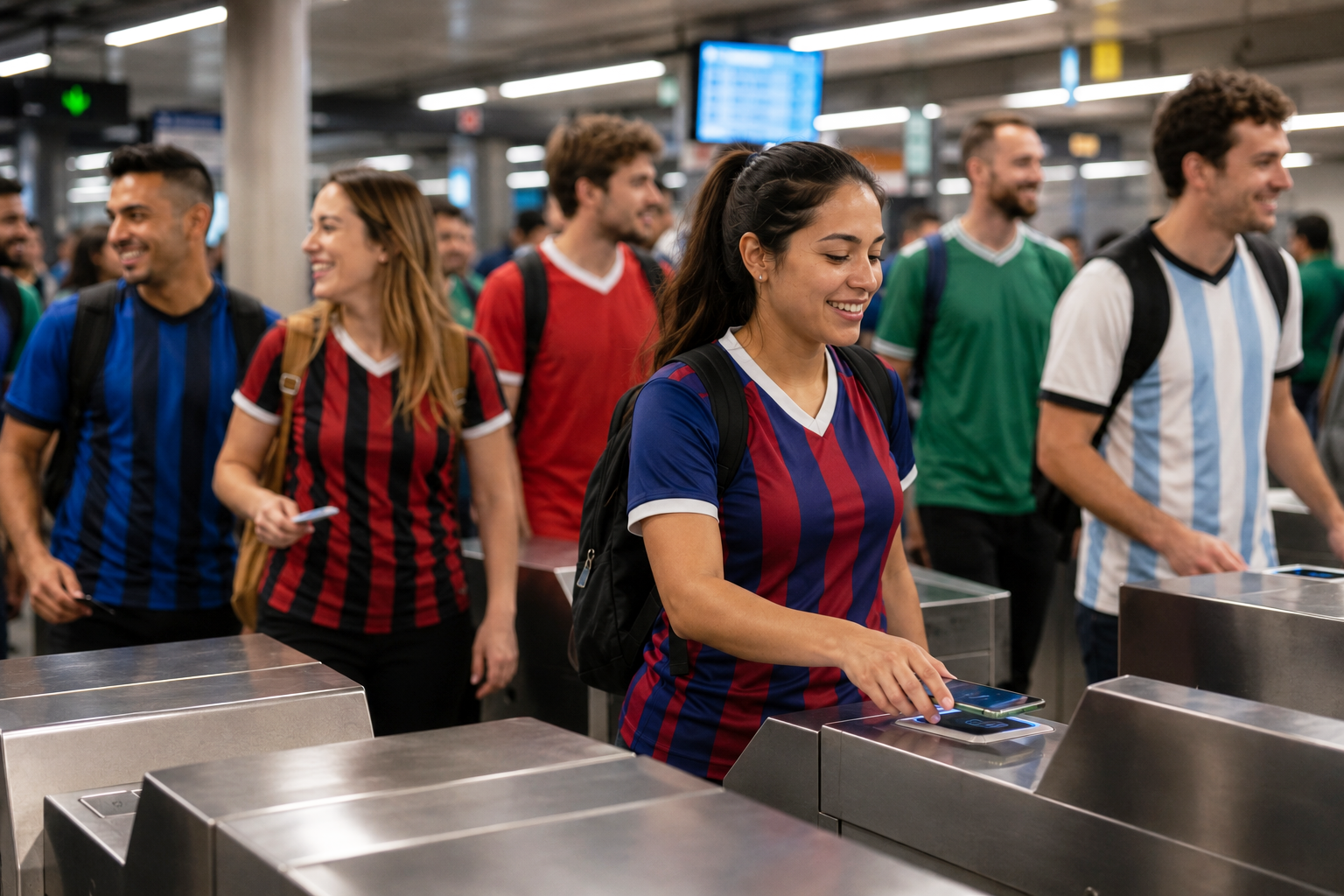
81% say easy transit payments will help visitors spend more time and money around host cities, as NMI helps power contactless fare payments for MARTA in Atlanta
With millions of international visitors expected to travel to U.S. host cities for FIFA World Cup 26™, new research from NMI®, a global leader in embedded payments infrastructure, finds that payment experiences could play a critical role in shaping how visitors move through cities, spend at events and experience the U.S.
According to NMI’s survey of 1,009 U.S. adults who have traveled internationally in the last year, nearly half of those surveyed (46%) say payment experiences abroad are faster or easier than in the U.S. The findings suggest that while the U.S. is viewed as ready to host major international events, the payment experiences visitors encounter most often, from public transportation to stadium purchases, could have an outsized impact on their overall impression.
The research comes as NMI helps power contactless fare payments in Atlanta and Houston, two of the U.S. cities set to welcome international soccer fans. The payment capabilities bring the cities in line with the tap-to-ride experience familiar to travelers in many major global cities, allowing riders to tap a credit or debit card, mobile wallet, smartphone or smartwatch directly at rail station faregates and bus validators and skip ticket vending machine lines. The system makes public transportation faster, simpler and easier to use.
Peter Galvin, Chief Growth Officer at NMI, said:
“Major sporting events don’t just test stadiums, they test the full city experience. The data is clear: when paying is fast and familiar, people spend more and enjoy the moment; when it isn’t, they walk away. As the world arrives in cities like Atlanta and Houston this summer, every transit payment, fast food stall or merchandise booth is part of the first impression visitors form of the U.S. Contactless payments are exactly what removes any friction and are a practical way for cities, venues and businesses to keep people moving and create a better experience for visitors and residents alike.”
NMI’s research found that payments are closely tied to both visitor experience and local economic opportunity. Consumers surveyed see easy payments as more than a convenience, especially in busy environments where long lines, unfamiliar systems or failed terminals can quickly create frustration.
Key findings include:
- Easy payments encourage spending: 80% say easy payment options make them more likely to make a purchase while attending an event.
- Payment friction can cost businesses sales: 75% say long payment lines make them less likely to make a purchase.
- Contactless is now expected: 73% say vendors at major international sporting events should accept contactless cards and mobile wallets.
- Payment reliability matters: 64% say a failed payment terminal or kiosk makes a business look unprofessional.
- Easy payments matter to the wider economy: 85% agree that easy and quick payments are important to the U.S. economy at a time when tourism is growing.
Transportation stands out as one of the most visible payment moments for international visitors. For many fans and tourists, public transportation may be one of their first interactions with a host city. If paying to ride feels confusing, unfamiliar or slower than expected, it can shape the journey before visitors ever reach a stadium, hotel, restaurant or local attraction.
NMI’s research found that consumers see transit payments as a clear area for improvement:
- Difficult transit payments can hurt the visitor experience: 77% say difficulty paying for transportation would negatively affect visitors’ overall experience of the U.S.
- Visitors will expect to tap: 73% agree that international visitors will expect to tap a card or phone to pay for transportation.
- Transit systems need to be easier: 77% say U.S. transit systems need to make payment options easier to better serve both local residents and international visitors.
- Consumers want wider contactless transit acceptance: 54% say tap-to-pay transit payment systems across major cities would do the most to improve payment experiences for international visitors, second only to mobile wallet acceptance everywhere.
- Easy transit payments can support local spending: 81% agree that easy transportation payments will help visitors spend more time and money around a city.
The survey also found that common transit payment frustrations include needing to download different transit apps in different cities, ticket machines or kiosks not working, having to buy or reload a separate transit card and confusion around fare rules or accepted payment methods.
For host cities, those frictions create both a challenge and an opportunity. Simpler payment experiences can help keep people moving, reduce pressure on transit systems and make it easier for visitors to explore restaurants, shops, attractions and neighborhoods beyond the stadium. Poor payment experiences, by contrast, can create unnecessary points of friction at exactly the moments when speed and clarity matter most.
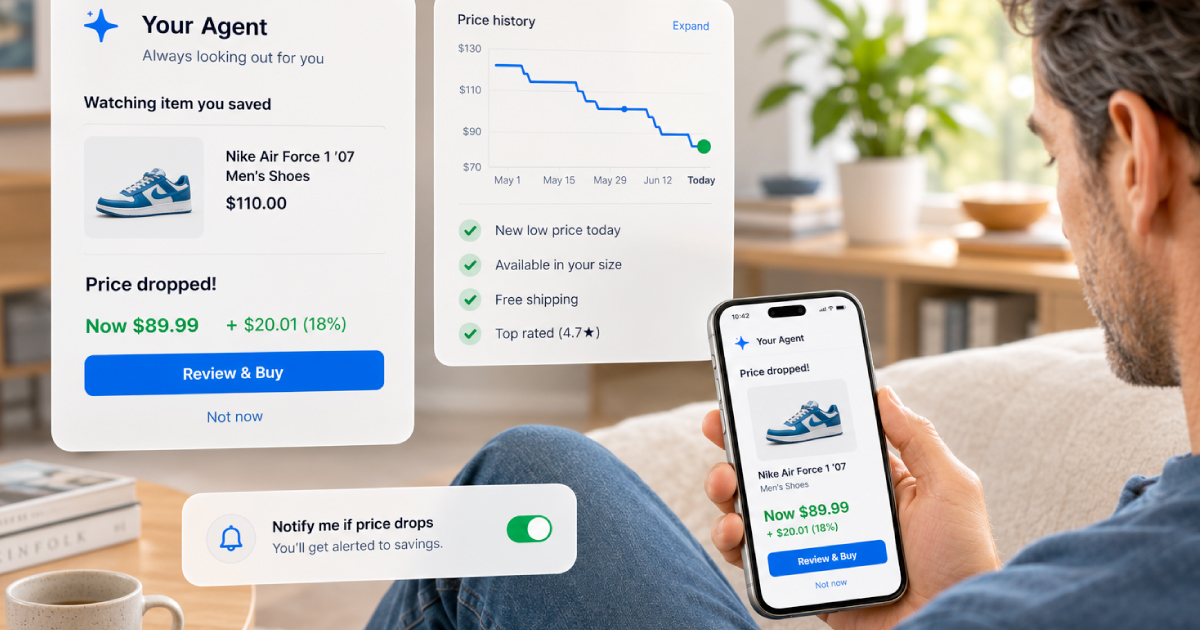
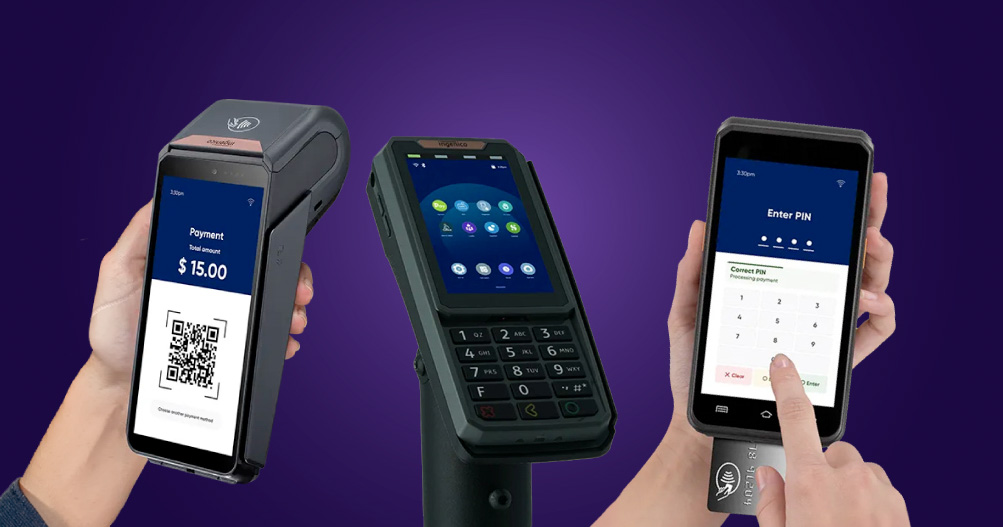
The research also shows that payment choice matters beyond transit. When traveling, consumers expect businesses to accept multiple payment methods, including cash and contactless credit or debit cards (both 67%), mobile wallets (60%) and chip cards (59%). More than a quarter also expect in-app ordering and payment (32%) or QR code payments (27%). If a vendor did not accept a digital payment method, half of the consumers surveyed said they would pay with cash only if they had it, go somewhere else or spend less than planned.
Galvin added:
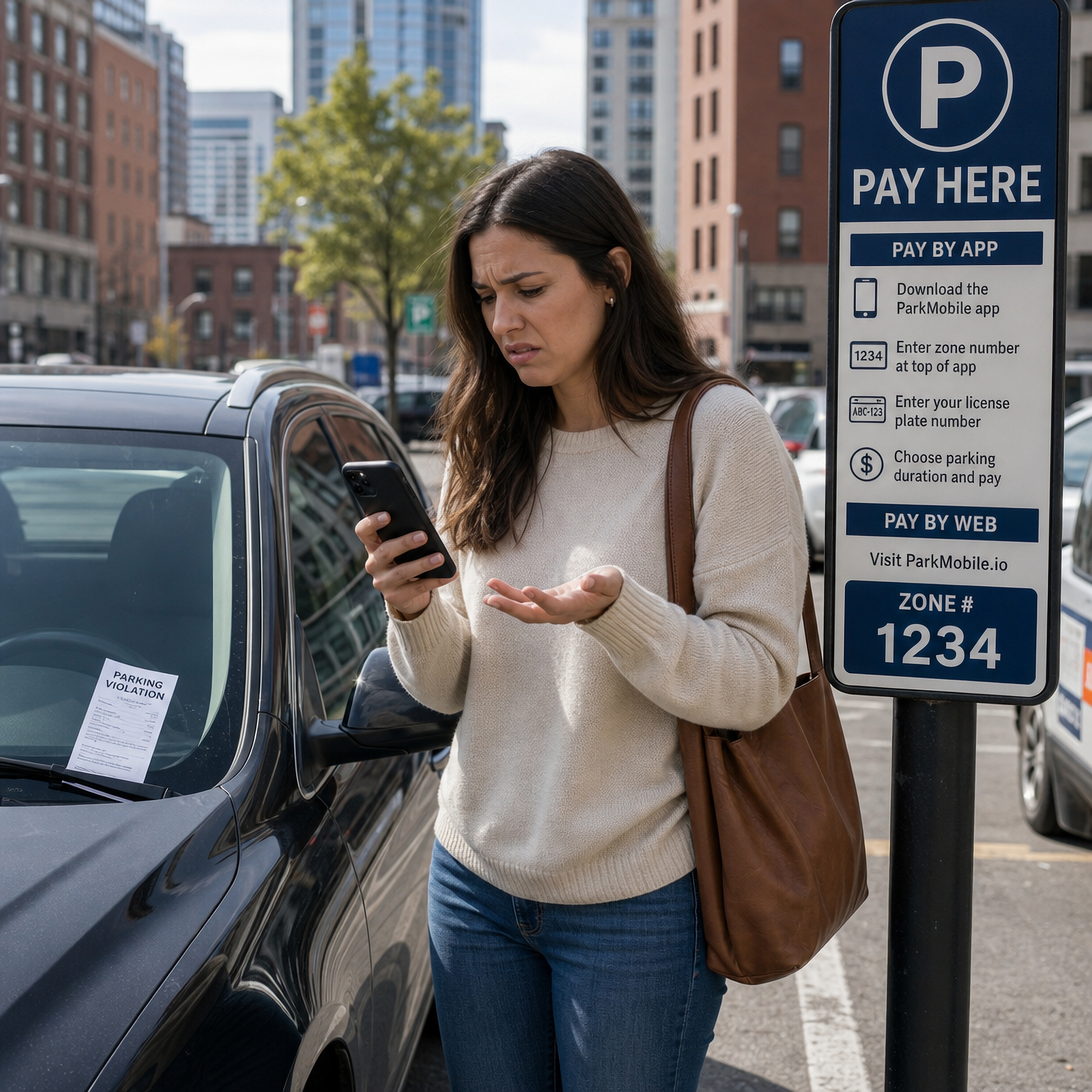
“As a leader in transportation, tolling, vending and unattended payments, NMI has seen firsthand how payments have become part of how people judge the quality of an experience. Whether someone is buying food at a stadium, paying for parking or taking public transportation across a city, the expectation is the same: it should work quickly, securely and without unnecessary steps. NMI helps partners deliver those experiences in the places where payments matter most.”
While most consumers surveyed rated U.S. payment readiness positively overall (79% scored it a 4 or 5 out of 5), the findings show that expectations are highest in the environments visitors are most likely to encounter repeatedly: transit, events, restaurants, retail and local attractions. As U.S. cities prepare for an influx of international visitors, payment readiness is becoming part of the broader host-city experience.
About the study
The research is based on an NMI survey conducted in May 2026 of 1,009 U.S. consumers who have traveled internationally within the past 12 months.
FIFA World Cup 26™ and FIFA World Cup™ are trademarks of FIFA. NMI is not affiliated with or endorsed by FIFA.