

New report finds the challenges when paying for parking are influencing where people shop, how they travel and how much time they spend in local communities
Confusing parking payment systems are shaping how Americans move through their communities, according to new research from NMI®, a global leader in embedded payments infrastructure.
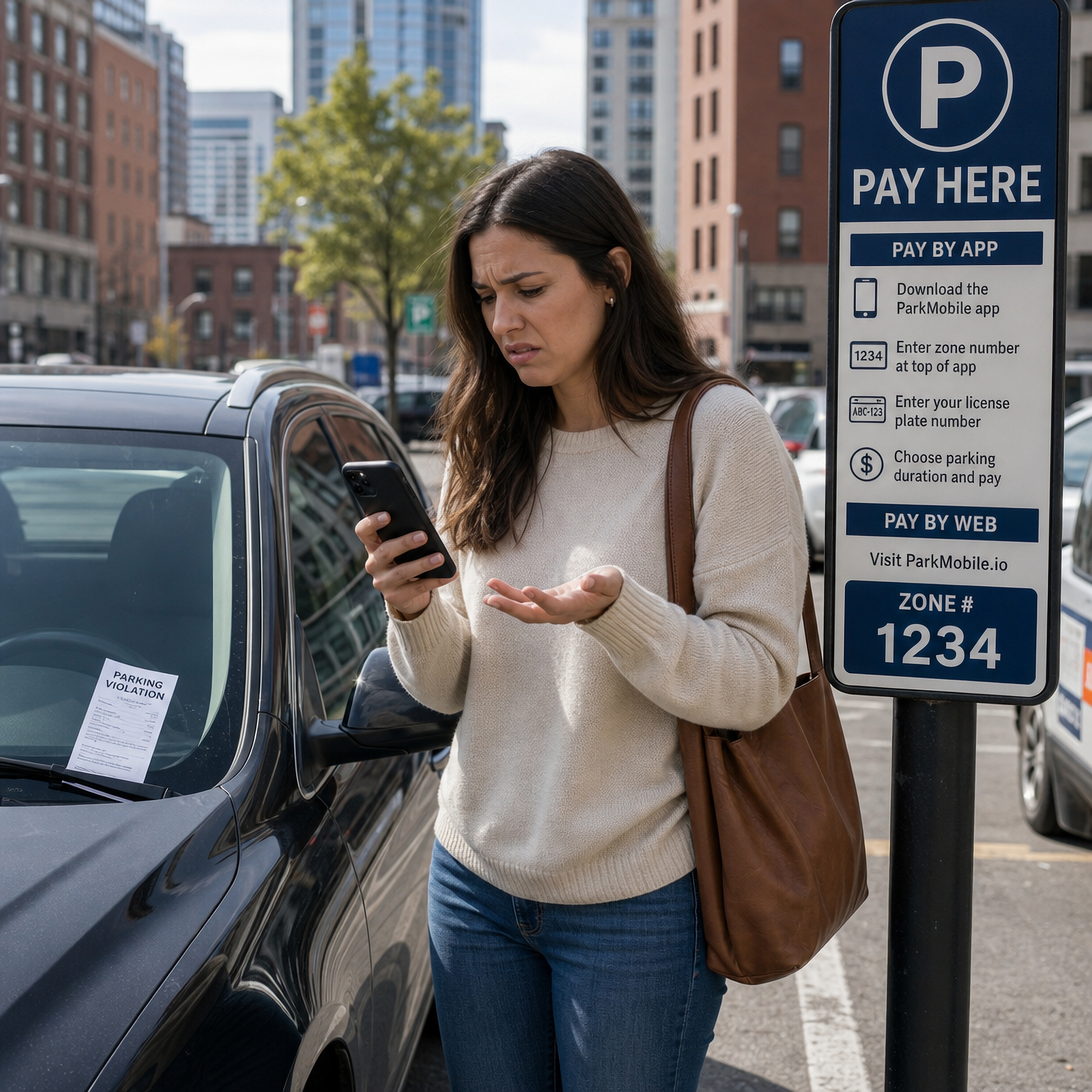
NMI surveyed 1,000 U.S. adults and found that nearly one in three drivers (30%) say they have received a parking ticket due to confusing payment instructions, while more than a third (37%) regularly encounter technical issues when paying at parking kiosks or pay stations.
The findings highlight how challenges paying for parking are more than just an inconvenience, they influence where consumers choose to shop, how they travel and how much time they spend in local communities.
Nearly half of respondents (49%) say they would visit local businesses more often if parking payments were more seamless, while 57% say parking availability and convenience influence which businesses or venues they choose to visit.
Parking friction also influences transportation habits and social behavior:
- 44% choose alternative transportation methods, such as rideshare, public transit or walking, to avoid parking hassles
- 29% have skipped a social event, appointment or obligation because parking felt too complicated
- 46% say the ability to extend parking from their phone influences how long they stay somewhere
The research suggests these frustrations often occur during already time-sensitive or stressful moments. The most common situations where consumers pre-book parking online to avoid these hassles include:
- Travel to airports or train stations (42%)
- Entertainment events such as concerts or sports games (38%)
- Essential appointments, including medical visits and government services (24%)
Although many consumers only pay for parking occasionally, they still expect the experience to be simple, familiar and flexible. While credit and debit cards remain the most common way to pay, used by 54% of respondents, cash still matters, with 28% still using coins or bills. At the same time, digital habits are growing, with 18% using digital wallets and 13% paying through parking apps. The findings suggest there is no single “right” way to pay for parking. Operators need to offer a mix of payment options, but each one must be easy to understand and simple to use.
Consumers also expressed strong demand for simpler and more connected parking experiences:
- 45% say paying for parking would bother them less if payment were automatic
- 86% support the ability to extend parking remotely
- 76% want to use the same parking app across multiple cities
Trust and security also remain important considerations, with only half of respondents (50%) saying they feel confident their payment information is secure when using unattended parking kiosks.
Pete Alcock, Head of Unattended Marketing at NMI, said:
“Parking may seem like a small part of the customer journey, but it can heavily influence how people experience a city, a business district or an event. When payment systems are confusing or unreliable, it creates friction that affects consumers, local businesses and parking operators alike.
Alcock added:
“Our research shows that consumers increasingly expect parking payments to work like every other modern payment experience: fast, intuitive, secure and flexible. Parking operators have a real opportunity to improve the experience through connected payment technologies, digital wallets, app integrations, automatic payments and more seamless unattended payment experiences. Operators that modernize the payment experience have a real opportunity to improve customer satisfaction while supporting local commerce and mobility.”
The report identified busy parents and younger consumers as some of the groups most affected by parking hassles. Nearly one-third of parents (32%) say they pay for parking at least once a month, significantly above the national average, while 53% say the ability to extend parking remotely influences how long they stay somewhere.
Gen Z consumers are among the most digitally engaged parking users, with 36% regularly using digital wallets to pay for parking. However, they also report some of the highest levels of frustration, with 52% experiencing technical issues at parking kiosks and 44% receiving parking tickets due to confusing instructions.
As cities continue to invest in digital infrastructure and smarter transit systems, the findings suggest that simplifying parking payments could play an increasingly important role in improving urban experiences and supporting local economic activity, as well as reducing friction for drivers.
For those looking to embed payments into their platforms and power seamless unattended payment experiences, visit www.nmi.com.
Attending IPMI 2026? Visit NMI at Booth 1010 to see how parking operators can simplify payments, offer greater choice and create better experiences for drivers.